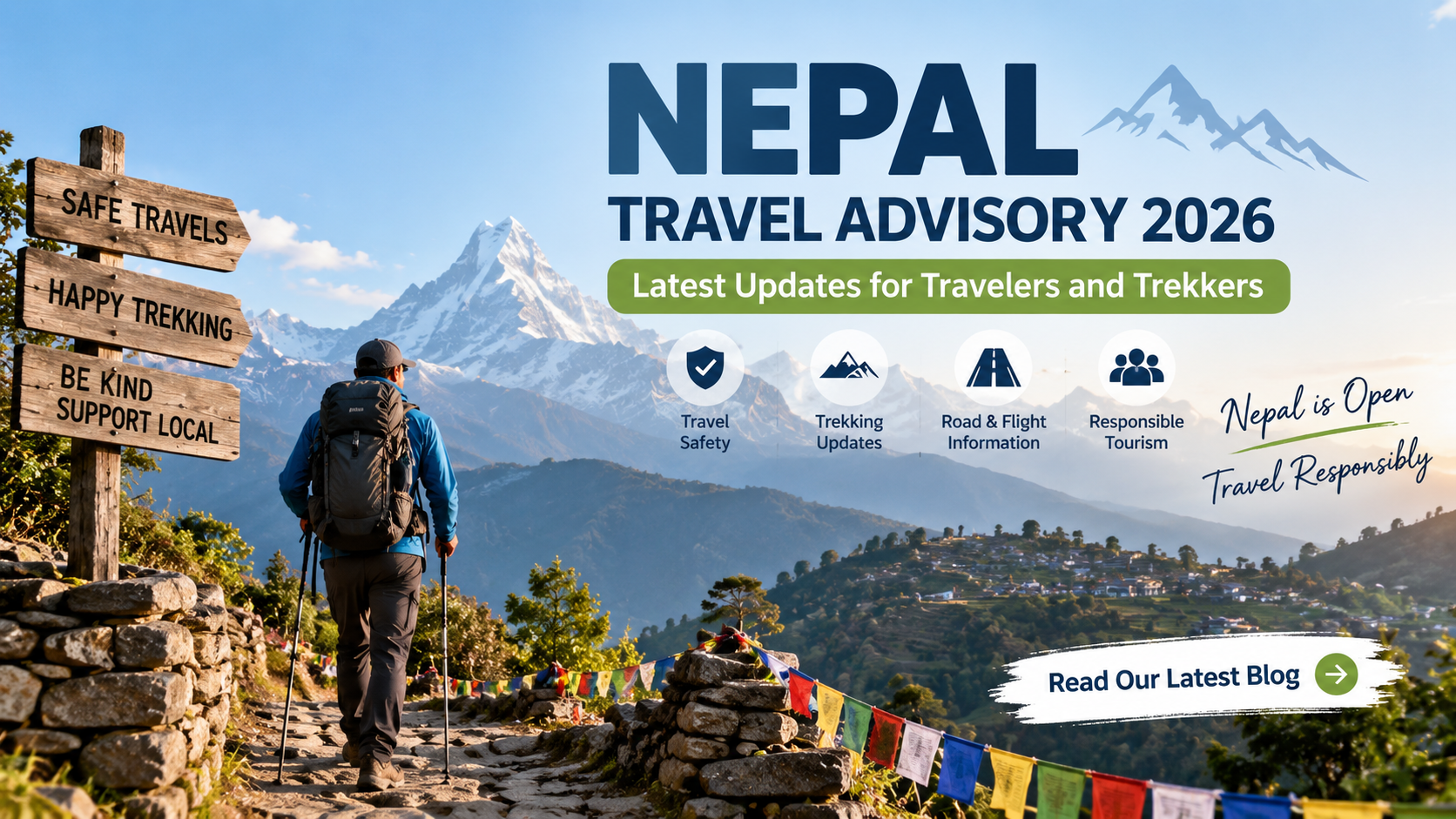
Is Nepal Open for Tourism in 2026? Travel & Trekking Advisory
Last Updated: September 9, 2026
Yes, Nepal is open for international tourism in 2026.
International travelers can visit Nepal for holidays, cultural tours,
trekking, mountaineering, and other tourism activities. Most major
tourist destinations and popular trekking regions are operating normally.
However, heavy rainfall, flash floods, and landslides in parts of Nepal
in late August and early September 2026 have affected some roads, river
corridors, and local infrastructure. Travelers should check current
local conditions before traveling to affected areas.
Is Nepal Open for Tourists Right Now?
Yes. Nepal remains open to international tourists.
Major tourist destinations such as Kathmandu, Pokhara, Everest,
Annapurna, and many other trekking areas continue to welcome visitors.
The situation is not the same throughout the country.
Some areas affected by floods and landslides may have damaged roads,
temporary closures, or difficult travel conditions.
Travelers should therefore check their specific destination
and transportation route before departure.
Quick Nepal Travel Status – September 2026
| Question | Current Status |
|---|---|
| Is Nepal open to tourists? | Yes |
| Are international flights operating? | Yes |
| Is Kathmandu open? | Yes |
| Is Pokhara open? | Yes |
| Is Everest Base Camp Trek possible? | Yes, subject to local trail and weather conditions |
| Is Annapurna trekking possible? | Yes, subject to local conditions |
| Are all areas of Nepal safe to travel? | No. Some flood- and landslide-affected areas require caution. |
| Should travelers check conditions before trekking? | Yes |
What Happened in Nepal in 2026?
Heavy monsoon rainfall in late August 2026 caused
flash floods, landslides, and infrastructure damage
in several parts of Nepal.
The most significant problems have been reported around some northern
river corridors and flood-affected areas.
Travelers should particularly pay attention to conditions around the
Bhote-Koshi and Trishuli river basins and affected road
corridors.
This does not mean that the entire country is closed to
tourism. Instead, travelers should understand which areas are
affected and plan their route accordingly.
Which Areas of Nepal Are Affected?
Some areas have experienced road damage, landslides, flooding,
communication problems, and ongoing recovery work.
Travelers should exercise particular caution around:
- Rasuwa District
- Rasuwagadhi
- Timure
- Syafrubesi
- Parts of Nuwakot
- Parts of Dhading
- Parts of Chitwan
- Parts of Tanahun
- Parts of Nawalpur
- Parts of Gorkha
Conditions can change quickly during the monsoon and post-monsoon
period. If your itinerary passes through one of these areas, confirm
the current road and trail situation before departure.
Is Trekking in Nepal Safe After the 2026 Floods?
Trekking is still possible in many parts of Nepal,
but safety depends on the destination, current weather, trail
conditions, and transportation route.
Popular trekking destinations can have different conditions from
lowland highways and flood-affected river corridors.
Before starting a trek, travelers should check:
- Current weather conditions
- Trail conditions
- Road access
- Domestic flight status
- Local government notices
- Advice from a licensed trekking agency or guide
Do not rely only on old travel information or social media
posts, because trail and road conditions can change quickly.
Safety Tips for Trekking in Nepal in 2026
1. Check Conditions Before Departure
Always check the latest information before starting your journey.
Weather and transportation conditions can change rapidly during the
monsoon and immediately afterward.
2. Travel With a Licensed Guide
A licensed trekking guide can provide local information about trail
conditions, weather, accommodation, transportation, and possible
route changes.
3. Keep Extra Days in Your Itinerary
Allow buffer days for possible flight cancellations,
road delays, landslides, or weather disruptions.
This is particularly important if your trekking itinerary includes
domestic flights.
4. Get Appropriate Travel Insurance
Travel insurance should cover your planned activities and maximum
trekking altitude.
For high-altitude trekking, check whether your policy covers:
- Emergency medical treatment
- Trekking activities
- High-altitude evacuation
- Helicopter evacuation
- Trip interruption or cancellation
5. Avoid Flooded Rivers and Unstable Slopes
Never cross swollen rivers or walk beneath unstable slopes after
heavy rainfall.
Follow instructions from local authorities and your guide.
Should You Cancel Your Nepal Trip in 2026?
Not necessarily.
Nepal is still welcoming international visitors, and many tourism
and trekking destinations remain operational.
If your planned route passes through an affected area, you may need to:
- Change your transportation route
- Choose an alternative trekking route
- Add extra days
- Delay part of your itinerary
- Confirm local conditions before departure
The best approach is to review your exact itinerary rather
than canceling your entire Nepal trip based on conditions
in one region.
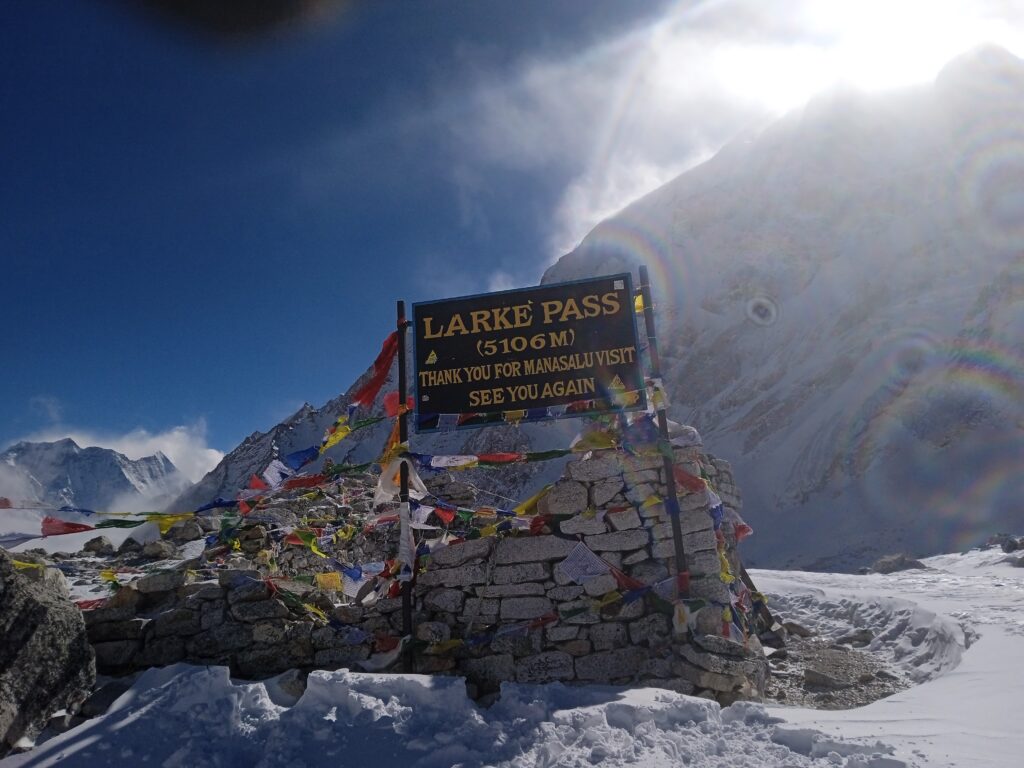
Can I Visit Everest Base Camp in 2026?
Yes, the Everest region remains a major trekking destination
in Nepal.
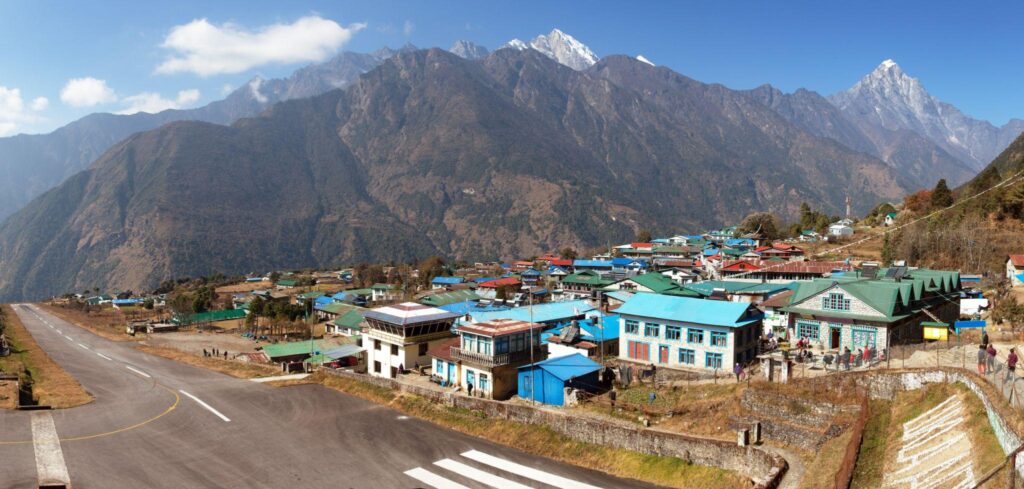
However, travelers should check the latest weather, Lukla flight
conditions, trail conditions, and local updates before departure.
Conditions in one part of Nepal do not automatically represent
conditions in the Everest region.
For an Everest Base Camp trek, travelers should plan additional time
for possible flight or weather disruptions.
Can I Visit the Annapurna Region in 2026?
Yes, trekking in the Annapurna region remains possible,
subject to current weather and trail conditions.
Popular routes include:
- Annapurna Base Camp Trek
- Annapurna Circuit Trek
- Ghorepani Poon Hill Trek
- Mardi Himal Trek
Travelers should confirm the condition of roads and trails immediately
before starting their trek.
Can I Travel to Rasuwa and Rasuwagadhi?
Travelers should exercise strong caution around the
Rasuwagadhi–Timure–Syafrubesi corridor because of reported
flood and landslide impacts and infrastructure damage.
If your trip involves the Nepal–China border crossing through
Rasuwagadhi, check the latest official information before traveling.
Do not assume that conditions reported elsewhere in Nepal apply to
this specific corridor.
Why Responsible Tourism Matters After Natural Disasters
Tourism is an important source of income for communities throughout
Nepal.
Travelers support local:
- Trekking guides
- Porters
- Hotels
- Tea houses
- Restaurants
- Transportation providers
- Small businesses
- Local communities
When a destination is safe and operating normally, responsible tourism
can help local communities recover economically after natural disasters.
The key is to travel where it is safe and follow local
guidance.
Frequently Asked Questions About Nepal Travel in 2026
Is Nepal open for international tourists in September 2026?
Yes. Nepal is open to international tourists.
Most major tourist destinations and many trekking regions continue
to operate, although some flood- and landslide-affected areas
require additional caution.
Is Nepal safe to visit after the 2026 floods?
Many parts of Nepal remain suitable for tourism, but safety varies
by location. Travelers should check current conditions for their
specific destination and route.
Can I trek in Nepal in 2026?
Yes. Trekking continues in many popular regions,
including Everest, Annapurna, Langtang, and other trekking areas,
subject to local weather and trail conditions.
Should I cancel my Nepal trekking trip?
Not automatically. Check your specific trekking
route and transportation connections. If an affected area is part
of your itinerary, consider changing the route or adding flexibility.
Is Everest Base Camp open?
The Everest region remains a major trekking destination, but travelers
should check current trail, weather, and flight conditions before
departure.
Is the Annapurna region open?
Yes, trekking remains possible in the Annapurna region, subject to
local weather and trail conditions.
Can I travel to Rasuwagadhi?
Travelers should check the latest local and official information
before traveling through the Rasuwagadhi–Timure–Syafrubesi corridor
because of reported infrastructure and weather-related risks.
What is the best way to check Nepal travel conditions?
Check information from official Nepal authorities, local
authorities, airlines, and a licensed trekking agency
shortly before your journey.
Final Travel Advice
Nepal is open for tourism in 2026. Recent floods and
landslides have affected specific areas, but they do not mean that
tourism across the entire country has stopped.
If you are planning a trip to Nepal, check your
exact destination, trekking route, road connections, weather,
and flight status before departure.
For trekking, working with an experienced and licensed local trekking
company can help you adjust your itinerary according to current
local conditions.
About Multitreks
Multitreks is a Nepal-based trekking and travel company
offering trekking, hiking, tours, and Himalayan adventure experiences
in Nepal.
Our team can help travelers plan their Nepal itinerary, select suitable
trekking routes, arrange guides and permits, and adjust travel plans
according to current local conditions.
Planning a trip to Nepal in 2026?
Contact Multitreks for the latest information about your trekking
route and itinerary.