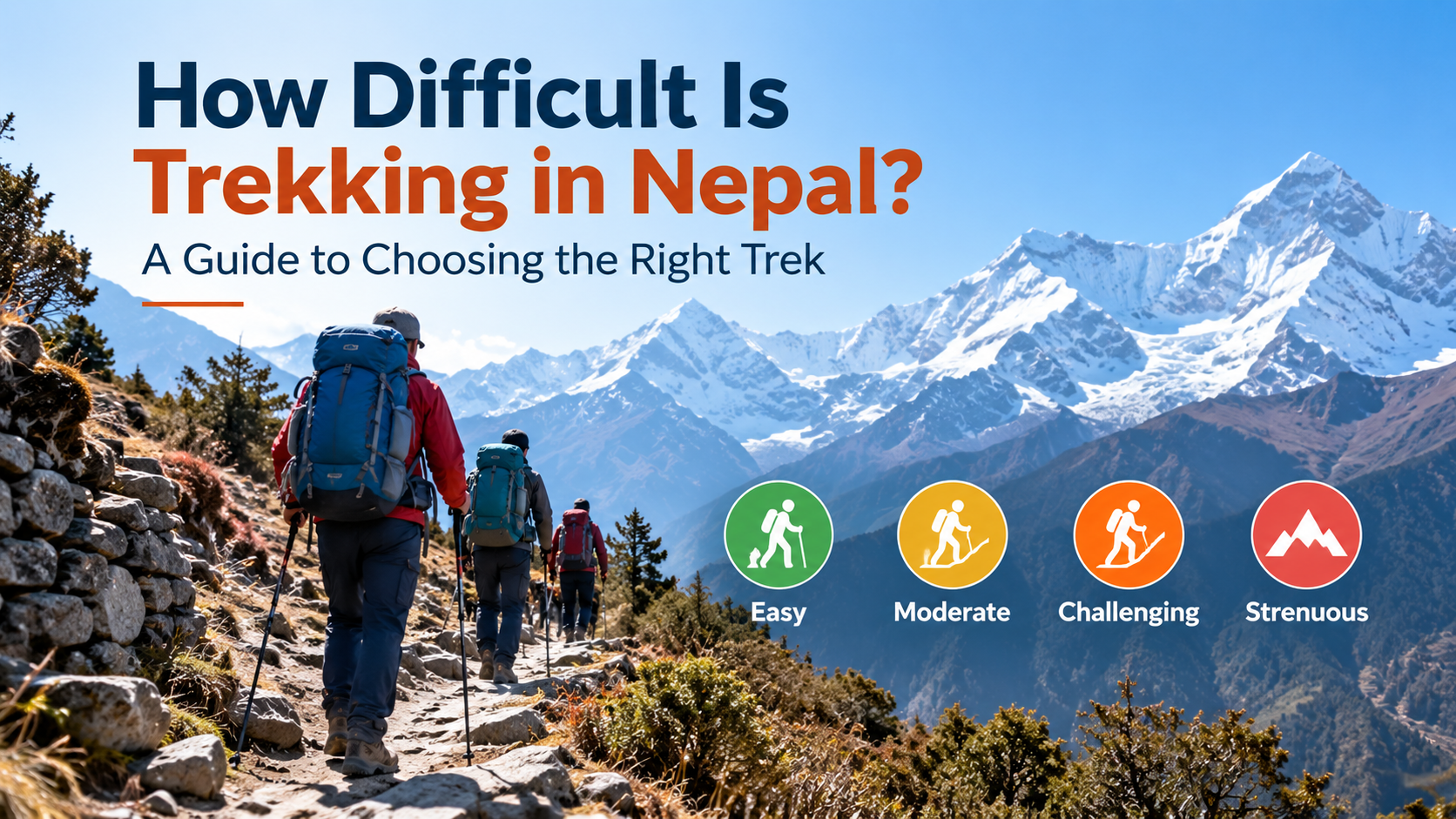
However, choosing the right trek is important. A beautiful trekking route may still be difficult because of altitude, long walking days, steep trails or changing weather conditions.
Therefore, understanding trekking difficulty can help you choose a route that matches your fitness, experience and travel goals.
What Makes a Trek Difficult?
Trekking difficulty does not depend on only one factor. Several things can make a trek easier or harder.
- Altitude: Higher trails require more care and proper acclimatization.
- Walking hours: Long walking days can be physically demanding.
- Trail conditions: Steep climbs, rocky paths and uneven trails require more effort.
- Weather: Snow, rain, wind and cold temperatures can make trekking harder.
- Duration: Longer treks require more stamina and preparation.
- Remote areas: Some routes have fewer facilities and require more planning.
Because of these factors, two treks with similar distances can feel very different. Your previous trekking experience and physical condition also make a difference.
Easy Treks in Nepal
Easy treks are a good choice for travelers who want to enjoy the Himalayan scenery without spending many days at high altitude.
These routes usually have shorter walking days and easier access. They can also be suitable for beginners who are physically active and properly prepared.
Popular Options
- Poon Hill Trek
- Australian Camp Trek
- Ghandruk Trek
- Everest View Trek
These treks are ideal if you have limited time but still want to experience mountain views, local villages and Himalayan culture.
Moderate Treks in Nepal
Moderate treks require better physical preparation. You may walk for several hours each day and encounter regular uphill and downhill sections.
However, you do not always need advanced trekking experience. With good preparation, many active travelers can complete moderate routes comfortably.
Popular Moderate Treks
- Annapurna Base Camp Trek
- Langtang Valley Trek
- Mardi Himal Trek
- Ghorepani Poon Hill Trek
The Annapurna Base Camp Trek, for example, takes trekkers into the Annapurna Sanctuary and reaches around 4,130 meters. The route combines mountain scenery, forests, villages and Himalayan culture. :chatgpt-content-reference{index=”1″}
Similarly, the Langtang Valley Trek offers a combination of Tamang culture, forests, mountain landscapes and high-altitude valleys. :chatgpt-content-reference{index=”2″}
Challenging Treks in Nepal
Challenging treks require stronger physical fitness and better preparation. They often involve higher elevations, longer walking days and more demanding terrain.
Popular Challenging Treks
- Everest Base Camp Trek
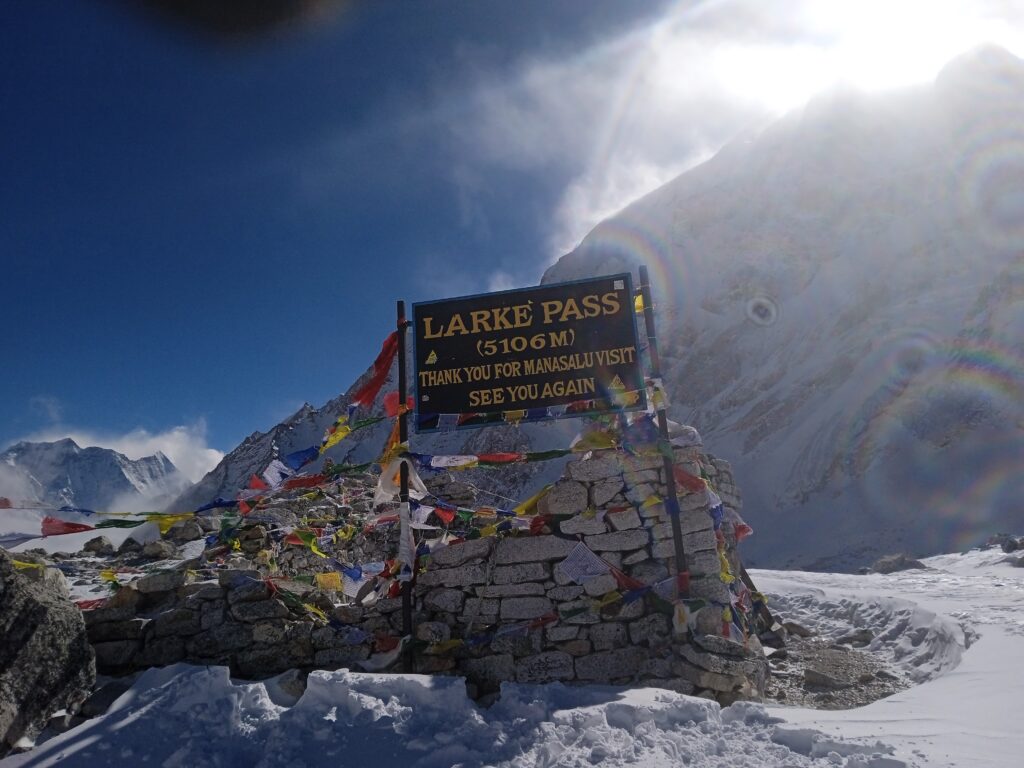
- Manaslu Circuit Trek
- Annapurna Circuit Trek
- Upper Mustang Trek
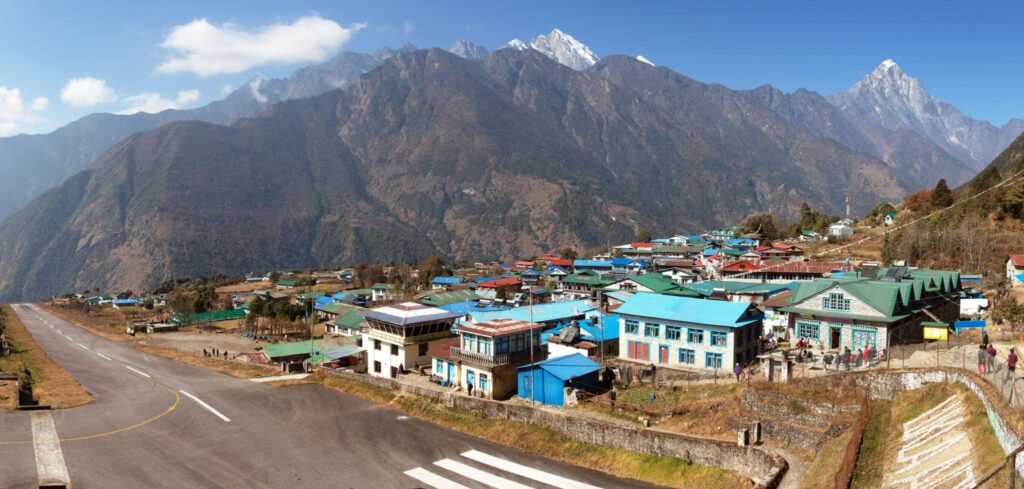
The Everest Base Camp Trek is one of Nepal’s most popular high-altitude trekking journeys. The classic route starts around Lukla and passes through Namche Bazaar, Tengboche, Dingboche and Gorak Shep before reaching Everest Base Camp. Proper acclimatization is an important part of the journey. :chatgpt-content-reference{index=”3″}
The Annapurna Circuit is another demanding route. One of its major challenges is Thorong La Pass, which reaches 5,416 meters. The route also crosses different landscapes, from green valleys to high mountain terrain. :chatgpt-content-reference{index=”4″}
Strenuous and High-Altitude Treks
Some trekking routes in Nepal are suitable mainly for experienced trekkers. These journeys can include high passes, remote trails, long walking days and limited facilities.
Examples of More Demanding Treks
- Everest Three Passes Trek
- Manaslu Circuit with Tsum Valley
- Kanchenjunga Base Camp Trek
- Upper Dolpo Trek
- Makalu Base Camp Trek
- Rolwaling and Tashi Lapcha Pass Trek
These routes require careful planning. Weather, altitude, trail conditions and access to medical or rescue services should be considered before starting the trek.
Everest Base Camp Trek Difficulty
The Everest Base Camp Trek is often considered a challenging high-altitude trek rather than a technical climb. Trekkers do not need mountaineering skills to reach the base camp, but they need good endurance and proper acclimatization.
The route includes several uphill and downhill sections. As the trail climbs higher, the air becomes thinner. Therefore, walking slowly and allowing enough time for acclimatization is important.
Namche Bazaar and Dingboche are important places for acclimatization on the classic route. The Nepal Tourism Board also recommends taking time to acclimatize in the Everest region. :chatgpt-content-reference{index=”5″}
Annapurna Base Camp Trek Difficulty
The Annapurna Base Camp Trek is a popular choice for travelers looking for a Himalayan adventure without committing to a very long high-altitude circuit.
The trail passes through villages, forests, rivers and mountain landscapes before reaching the Annapurna Sanctuary. The base camp area is around 4,130 meters above sea level. :chatgpt-content-reference{index=”6″}
The trek still requires good fitness because of repeated uphill and downhill sections. However, its combination of beautiful scenery and relatively accessible route makes it a popular choice for many trekkers.
Langtang Valley Trek Difficulty
Langtang Valley is another excellent option for trekkers who want a Himalayan experience close to Kathmandu.
The route passes through Tamang villages, forests and alpine landscapes. Trekkers can continue toward Kyanjin Gompa and explore viewpoints such as Kyanjin Ri or Tserko Ri.
Although the trek is shorter than some major Himalayan routes, altitude should still be taken seriously. A steady walking pace and proper preparation can make the journey more comfortable. :chatgpt-content-reference{index=”7″}
Manaslu Circuit Trek Difficulty
The Manaslu Circuit Trek is a more demanding Himalayan adventure. The route travels around Mount Manaslu and passes through changing landscapes, from lower valleys to high mountain terrain.
The Manaslu region includes the Budhi Gandaki valley and high Himalayan areas. The route is known for its remote character and challenging mountain environment. :chatgpt-content-reference{index=”8″}
Because of the altitude, length and terrain, the Manaslu Circuit is better suited to trekkers with good physical fitness and some previous trekking experience.
How to Choose the Right Trek for You
The best trek is not necessarily the highest or longest trek. Instead, choose a route that matches your experience, fitness, available time and interests.
Choose an Easy Trek If:
- You are new to trekking.
- You have limited time.
- You prefer shorter walking days.
- You want to enjoy mountain scenery without extreme altitude.
Choose a Moderate Trek If:
- You regularly walk or exercise.
- You are comfortable walking several hours a day.
- You want a longer Himalayan experience.
- You are prepared for some steep uphill sections.
Choose a Challenging Trek If:
- You have previous trekking experience.
- You are comfortable with long walking days.
- You can handle higher altitudes.
- You have enough time for acclimatization.
Physical Preparation for Trekking in Nepal
You do not need to become a professional athlete before trekking in Nepal. However, basic physical preparation can make your journey easier and more enjoyable.
Start preparing several weeks before your trek. Regular walking, hiking, cycling and stair climbing can help improve your endurance.
Strength exercises for your legs and core can also help. In addition, practice walking with a backpack that is similar to the weight you expect to carry during the trek.
Why Acclimatization Matters
Altitude is one of the most important factors when choosing a high-altitude trek.
As you climb higher, the amount of available oxygen decreases. Your body needs time to adjust. Therefore, a good trekking itinerary should include appropriate acclimatization days.
Do not rush to gain altitude. If you develop symptoms such as severe headache, unusual tiredness, dizziness or difficulty breathing, inform your guide and take the appropriate action.
Do You Need a Guide in Nepal?
Guide requirements depend on the trekking route and current government regulations.
Nepal Tourism Board currently lists several trekking regions and routes where trekkers must be accompanied by a licensed guide and carry a trekking-agency-issued TIMS Card. These include routes in the Everest, Manaslu, Annapurna, Langtang, Kanchenjunga and other regions. :chatgpt-content-reference{index=”9″}
For this reason, check the current requirements before booking your trek. A registered trekking agency can also help arrange permits, guides, accommodation and transportation.
Compare Trekking Difficulty in Nepal
| Trek | Difficulty | Best For |
|---|---|---|
| Poon Hill Trek | Easy to Moderate | Beginners and short holidays |
| Langtang Valley Trek | Moderate | First-time Himalayan trekkers |
| Annapurna Base Camp Trek | Moderate | Mountain views and cultural experience |
| Mardi Himal Trek | Moderate | Short Himalayan adventure |
| Everest Base Camp Trek | Challenging | High-altitude trekking experience |
| Annapurna Circuit Trek | Challenging | Experienced and fit trekkers |
| Manaslu Circuit Trek | Challenging | Remote Himalayan adventure |
| Everest Three Passes Trek | Strenuous | Experienced high-altitude trekkers |
What Should You Pack?
Your packing list depends on the season, altitude and trekking route. However, some basic equipment is useful for most treks.
- Comfortable trekking boots
- Warm and lightweight clothing
- Waterproof jacket and trousers
- Sleeping bag suitable for the season
- Sun protection and sunglasses
- Water bottle or hydration system
- Headlamp
- Basic first-aid supplies
- Personal medicines
- Backpack and rain cover
The Nepal Tourism Board also recommends warm clothing, waterproof layers, suitable footwear, sleeping bags, sunglasses, water bottles and basic first-aid items for trekking. :chatgpt-content-reference{index=”10″}
Final Thoughts
Nepal offers trekking routes for different levels of experience. You can start with a short and comfortable trek or choose a demanding high-altitude adventure.
However, trekking difficulty should always be considered before booking. Think about your fitness, experience, available time and comfort with altitude.
Most importantly, do not choose a trek only because it is popular. Choose a route that suits you.
With the right preparation, a suitable itinerary and professional support, trekking in Nepal can become one of the most memorable experiences of your life.
Ready to choose your trek? Explore the trekking routes offered by Multi Treks and find the Himalayan adventure that matches your travel goals.